
You shouldn't have to ask people to repeat themselves. Let's figure out what's going on.
Even relatively mild hearing loss can seriously disrupt how we interact and connect with others. Without healthy hearing, our social, mental, and physical health can suffer in ways that are hard to measure but impossible to ignore.
Hearing loss often starts gradually. You might notice it in noisy restaurants, watching television, or when others seem to be mumbling. A comprehensive hearing evaluation gives you a clear picture of what's happening and what your options are.
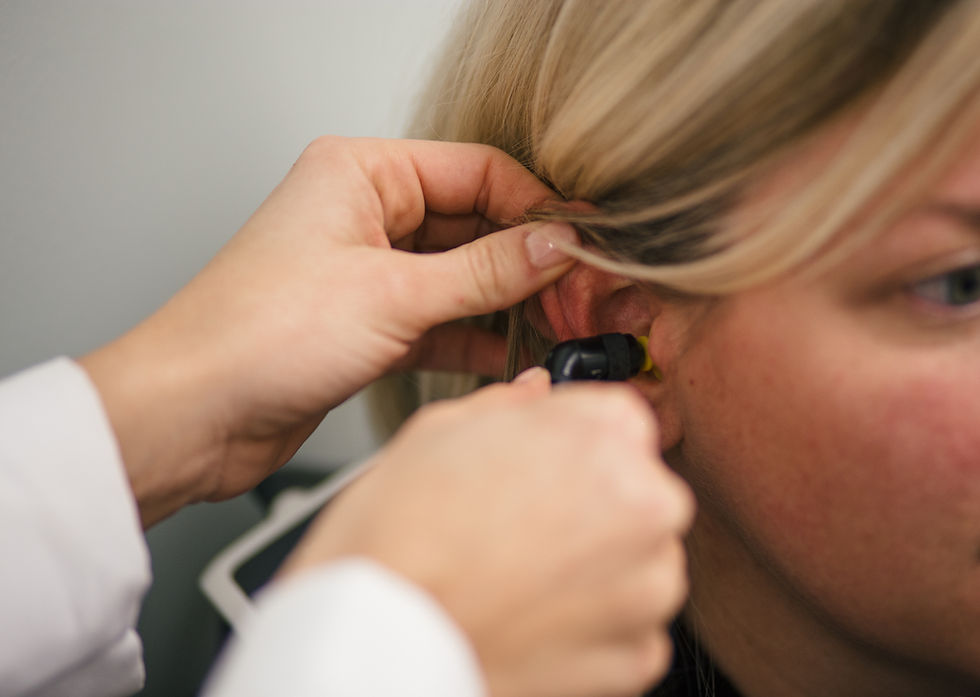
Types of Hearing Loss
Sensorineural Hearing Loss
The most common type, typically resulting from damage to the hair cells in the inner ear. Causes include aging, noise exposure, certain health conditions, and ototoxic medications. Usually permanent and best managed with an audiologist.
Conductive Hearing Loss
Often caused by infection or blockage in the outer or middle ear. Typically reversible once the underlying cause is treated.
Mixed Hearing Loss
A combination of sensorineural and conductive hearing loss. Hearing may partially improve after the conductive component is addressed.
Unilateral Hearing Loss
Hearing loss in one ear only. Can be present at birth, occur suddenly, or develop over time. May affect speech comprehension, localization, and hearing in background noise.
Sudden Hearing Loss
A rapid loss of hearing within 24 hours or less. Requires immediate medical attention. About 85% of those who seek prompt treatment recover some of their hearing.
High-Frequency Hearing Loss
Those affected can usually hear vowels but struggle with consonants like f, s, t, and z. Often develops gradually and may be noticed first in group settings or when listening to higher-pitched voices.
If hearing aids are part of your plan, we'll find the right fit for your hearing profile and your life.
We offer a full range of hearing aid styles. Each patient receives a thorough evaluation first, and any recommendation we make is based on your specific hearing loss, your lifestyle, and your goals. We work with all major manufacturers and fit hearing aids at every technology level.
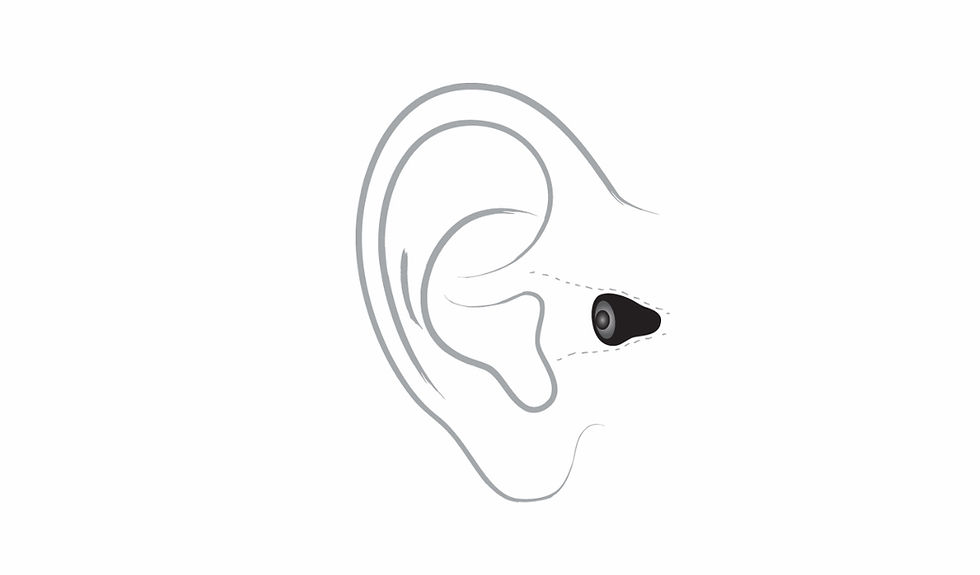
Invisible (IIC)
The Invisible-in-the-Canal hearing system prioritizes invisibility and discretion by sitting deep inside the ear canal, making it difficult to see from the outside.
• Very discreet
• Uses the natural resonance of the ear shape
• Less wind noise
• Good for people who wear glasses
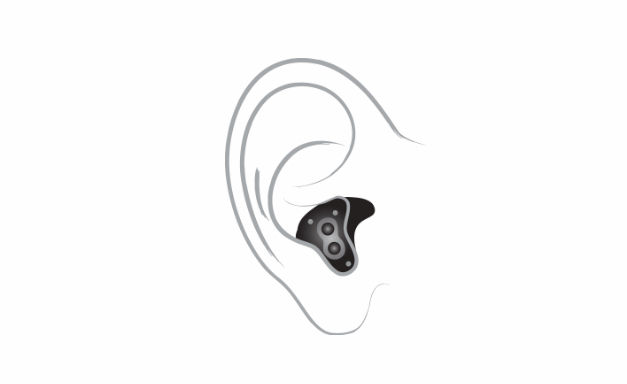
In-the-Canal (ITC)
In-the-Canal (ITC) refers to a type of hearing aid that is custom-made to fit partly inside the ear canal and can have more features than an IIC.
• Custom fit
• Wireless connectivity, depending on the model
• Discreet
• Rechargeable, depending on the model
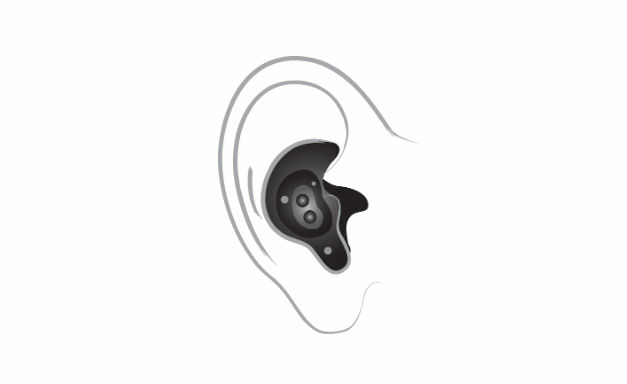
In-the-Ear (ITE)
In-the-Ear (ITE) hearing aids are hearing devices that are custom-made to fit inside the ear canal and the bowl of the outer ear.
• Custom fit
• Rechargeable
• Good for people who wear glasses
• Wireless connectivity
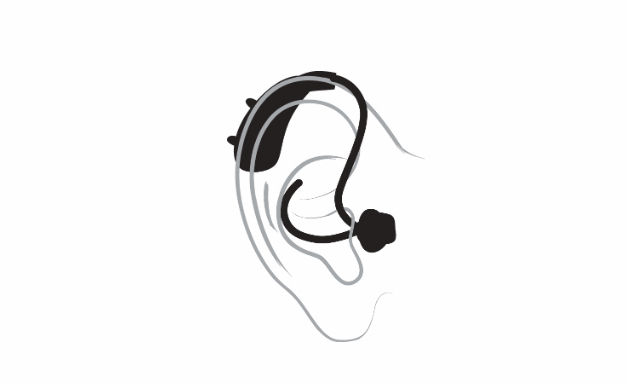
Behind-the-Ear (BTE)
A BTE (Behind-the-Ear) hearing aid is a type of hearing device that sits behind the outer ear and is connected to a small earpiece or earmold placed inside the ear canal.
• Generally durable and easy to handle
• Can provide more power than many smaller hearing aids
• Bluetooth connectivity
• Rechargeable
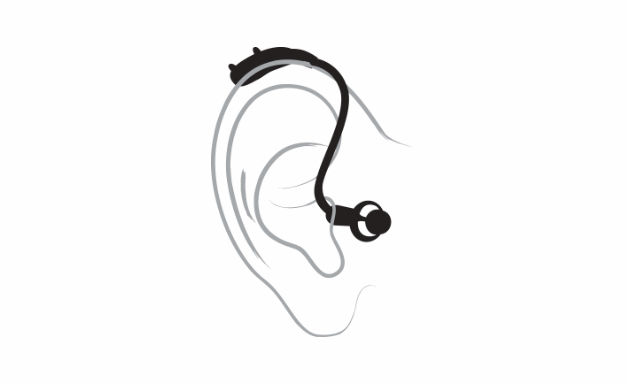
Receiver-in-Canal (RIC)
RIC stands for Receiver-in-Canal. It is a type of hearing aid in which the receiver (speaker) sits inside the ear canal, while the main hearing-aid body sits behind the ear.
• Small and discreet
• Most natural-sounding hearing device
• Suitable for many degrees of hearing loss
• Rechargeable or disposable-battery models are available
• Bluetooth connectivity
• AI advancements
No hidden fees. No bundled pricing.
We use an unbundled model of care, meaning you pay for the hearing aids and the services you need separately, with no costs buried in the device price. This approach gives you full transparency and typically saves patients thousands of dollars over time compared with bundled retail pricing.
